Walk into any EV showroom in India today and you will notice something that was not true even three years ago: you are no longer just choosing between brands. You are choosing between categories. Electric scooters sit on one side, electric motorcycles on the other — and the person behind the counter will happily tell you that whichever one they happen to sell is the right one for you. It is not. The two categories serve genuinely different riders and genuinely different use cases. Getting this wrong is expensive — not just in rupees, but in daily frustration.
What Actually Separates an Electric Scooter from an Electric Motorcycle?
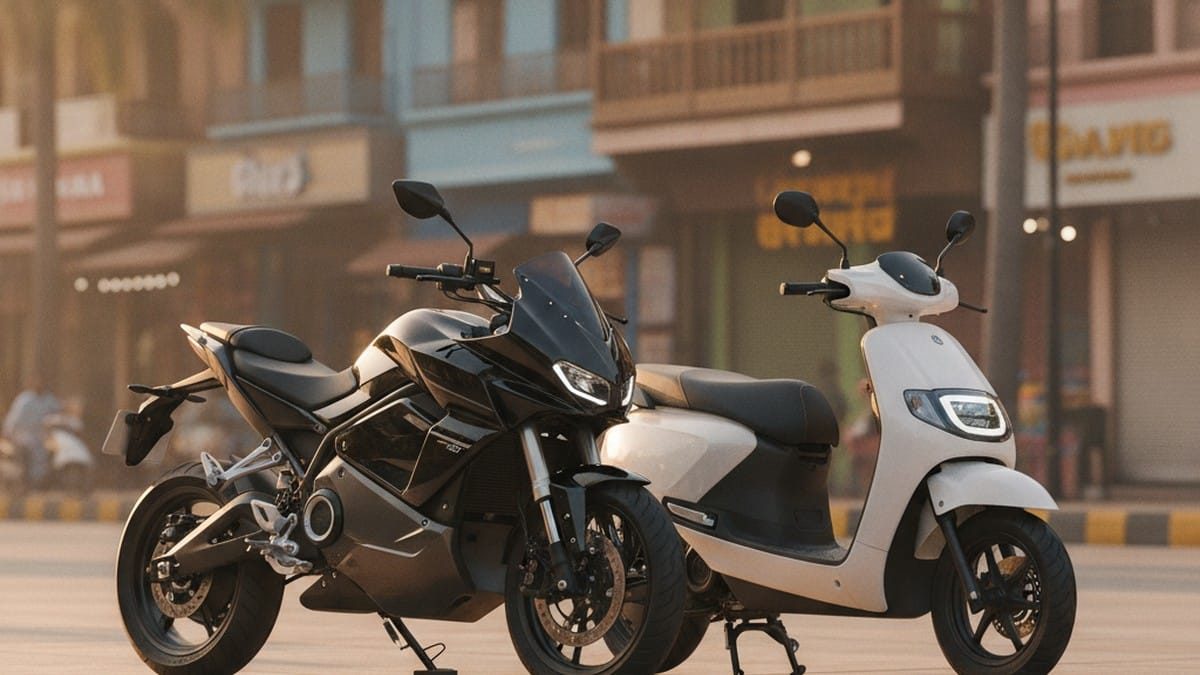
The most obvious difference is the step-through frame of a scooter versus the straddle-style seating of a motorcycle. But the practical consequences run deeper than that.
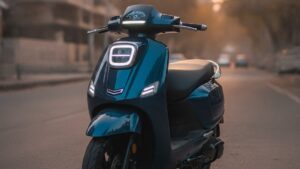
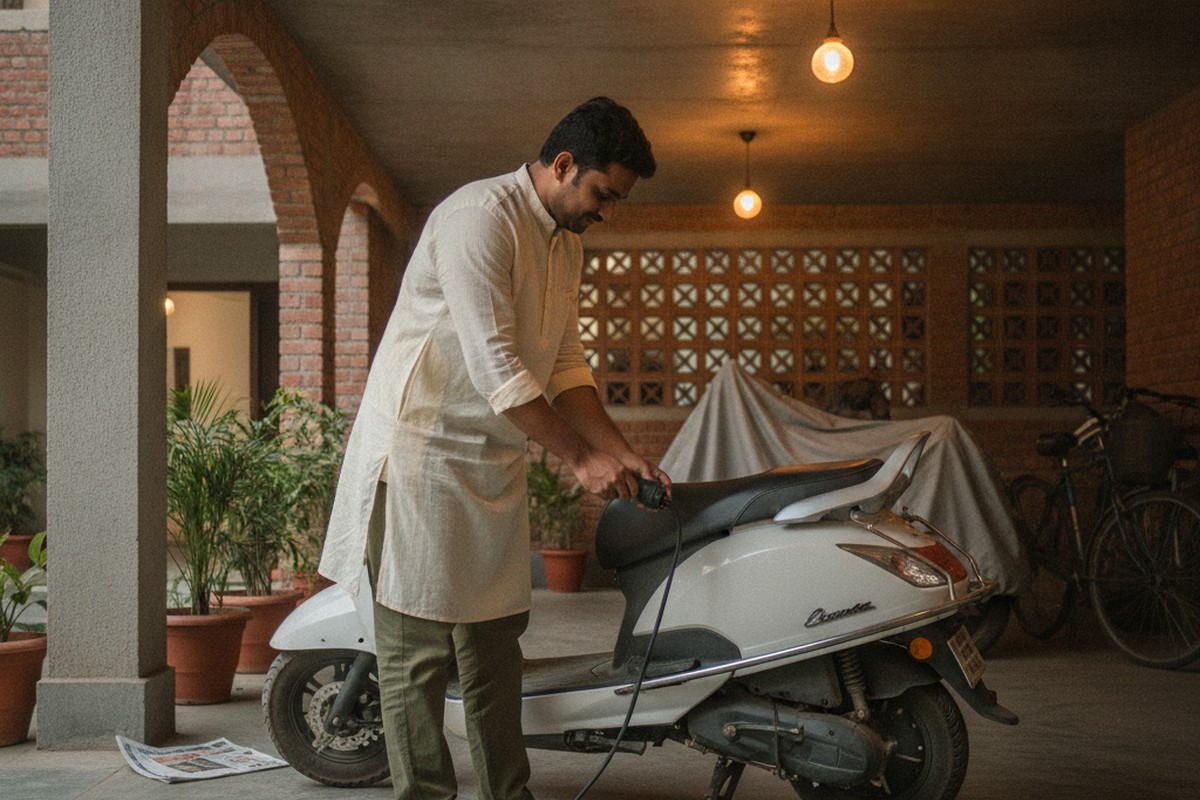
An electric scooter is built around the urban commuter. The flat floorboard, under-seat storage, and lower seat height make it genuinely easy to use every single day — you stop at a signal, plant a foot down without stretching, grab your bag from under the seat, and go. Most electric scooters in India are tuned for city speeds between 45 and 70 km/h, which is actually all you need for 90% of urban riding. The Elektree Zenith, for example, tops out at 70 km/h with an 18.5-litre under-seat boot — enough for a full grocery run or a couple of office bags.
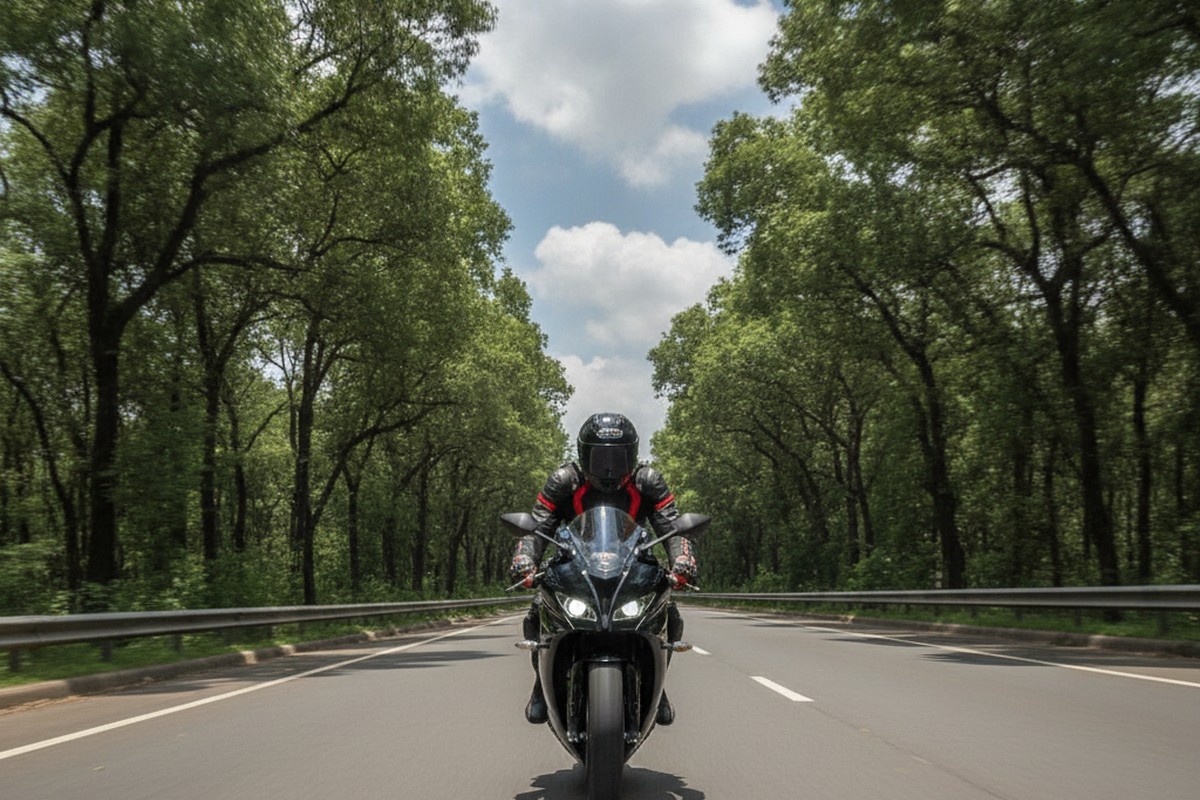
An electric motorcycle sits at the other end. The geometry is more aggressive, the wheelbase longer, and the rider position more forward-leaning. Electric motorcycles in India currently available range from the Revolt RV400 (85 km/h top speed, ₹1.29 lakh) to the Tork Kratos R (105 km/h, ₹1.34 lakh). The Elektree Fantom EV motorcycle takes this further — 110 km/h top speed, a 5kW mid-drive BLDC motor, and 150–180 km of IDC range from a 72V/45Ah lithium-ion pack, priced at ₹1,39,000.
Motorcycles feel more planted at higher speeds and handle highway overtaking more confidently. The trade-off: no underfloor storage, a riding position that is not relaxed for stop-start traffic, and a slightly more demanding physical posture over two-hour commutes.
The Questions That Actually Decide It
Rather than listing specs you can find on any comparison site, let us ask the questions that narrow the field for real Indian buyers.
How far do you actually ride every day? If your round trip is under 40–50 km — and most urban Indian commuters fall in this range — an electric scooter with 80–100 km of real-world range covers you comfortably with charge left over. You do not need 150 km of IDC range for a Noida–Connaught Place commute. The Elektree Zenith and RV80 both fit this use case at ₹90,164 and ₹94,363 respectively, with 80–100 km of range and 4–5 hour home charging from a standard socket.
Do you regularly ride on highways or state roads at speeds above 80 km/h? If yes, an electric scooter will frustrate you. Most city-spec scooters are not tuned for sustained highway speeds. You need a motorcycle. The Fantom EV’s 110 km/h capability and 150–180 km IDC range makes highway legs genuinely manageable — weekend rides to nearby towns, district-level travel, longer work commutes between satellite cities.
Who else rides the vehicle? A scooter is considerably more accessible. A rider in a sari, a senior citizen, a shorter rider — the step-through format removes the awkwardness. A motorcycle requires more confidence getting on and off, and the seat height is less forgiving for shorter riders. If the vehicle will be shared in a household with different rider types, a scooter almost always wins.
What do you carry? Under-seat storage on a scooter is underrated until you ride one without it. Helmet, laptop bag, dabbas, medicine, groceries — the Zenith’s 18.5-litre boot absorbs the daily load without requiring a backpack or side panniers. Motorcycles force you to carry everything on your back, which is fine on a sports run but tiring on a daily 30-minute city commute.
What is your budget? Electric scooters in India span ₹82,000 to ₹1.5 lakh for mainstream choices. Electric motorcycles start around ₹1.16 lakh (Oben Rorr EZ Sigma) and go upward. The Fantom EV at ₹1,39,000 positions itself in the same price band as the Revolt RV400 Premium (₹1.39 lakh) and Tork Kratos (₹1.34–1.50 lakh) — but with meaningfully higher top speed, a stronger motor, and a significantly longer IDC range.
How the Indian Market Lines Up
Electric scooters dominate Indian two-wheeler EV sales by a wide margin — the majority of urban commuters value practicality over performance, and the TVS iQube, Bajaj Chetak, Ola S1, and Ather 450X all fight in this space. The electric motorcycle category is newer but maturing: Revolt’s RV400 (₹1.29–1.39 lakh, 85 km/h), the Oben Rorr (₹1.16 lakh, 175+ km IDC, 7.5kW), and Tork’s Kratos R (₹1.34 lakh, 105 km/h, 9kW) have made electric motorcycling a genuine option. What is still missing is a brand combining highway-grade performance with a strong warranty commitment at a price that does not stretch. That is where the Fantom EV enters an interesting conversation.
Where Elektree India Fits Across Both Needs
Elektree India builds products across both categories, which gives buyers something few EV manufacturers currently offer: a single brand you can evaluate for either choice.
On the scooter side, the Elektree Zenith (₹90,164) is the standout for daily city use. The ICAT certification means it has passed India’s standard approval process — not just paper claims. The 60V/35Ah lithium-ion battery delivers 80–100 km in standard conditions, with a mid-drive IPM motor and three riding modes (Hyper, Normal, Eco) for range flexibility. Ground clearance at 180mm handles potholes without drama, and the 3-year/50,000 km battery warranty is a serious commitment at this price. Running costs work out to roughly ₹5–10 per charge. For a budget entry with no licence required, the Elektree Wheels at ₹82,871 covers a 50–70 km commute at 45 km/h — enough for city errands and first-time riders.
On the motorcycle side, the Fantom EV (₹1,39,000) deserves serious attention from anyone who has been considering an electric motorcycle but finds the Revolt or Tork options slightly lacking. The 5kW mid-drive IPM motor is the same motor architecture used in Elektree’s scooters — tried, tested, and designed for Indian road conditions. The 110 km/h top speed is genuine highway capability, not a marketing figure. The 72V/45Ah battery pack with a 150–180 km IDC range addresses the single biggest worry electric motorcycle buyers have: running out of charge before they get home. The GPS tracking and NFC-based anti-theft system are not afterthoughts — they are built into the machine, which matters when you are parking a ₹1.39 lakh vehicle on an Indian street.
Compared to the Revolt RV400’s 85 km/h limit and a 3.24 kWh battery, the Fantom EV’s combination of 110 km/h and 150–180 km range is a meaningful step up for riders who genuinely need highway capability. And unlike the RV400, which has faced documented user feedback about limited service centre availability, Elektree’s direct-from-manufacturer approach keeps the ownership relationship simpler.
The Honest Bottom Line
Here is the clearest answer: if your daily ride is under 60 km in a city, choose an electric scooter — not just because it is cheaper, but because it will make your daily life genuinely easier. The Elektree Zenith is one of the most complete options at its price. ICAT certified, 3-year battery warranty, 18.5-litre boot, mid-drive motor, 180mm ground clearance — it ticks the boxes that actually matter for Indian urban use.
If you ride regularly between cities, spend time on state highways, or simply want a machine that feels more like a conventional bike and can sustain 90+ km/h without effort, an electric motorcycle is the right call. The Fantom EV’s combination of genuine range, highway speed, strong motor output, and connected security features makes it worth serious consideration against better-known electric motorcycle names.
The choice between scooter and motorcycle is ultimately a question of where you ride and how you ride — not which specification sounds more impressive. Get that answer right first, and the rest follows.
Explore the full Elektree India range — from the practical Wheels and Zenith scooters to the highway-capable Fantom EV motorcycle — at elektree.com. If you are genuinely on the fence, both product pages include detailed spec breakdowns that are worth comparing side by side before you visit a showroom.