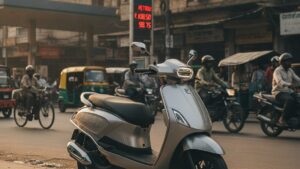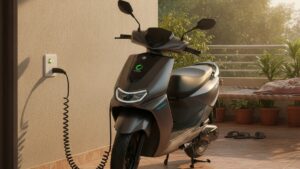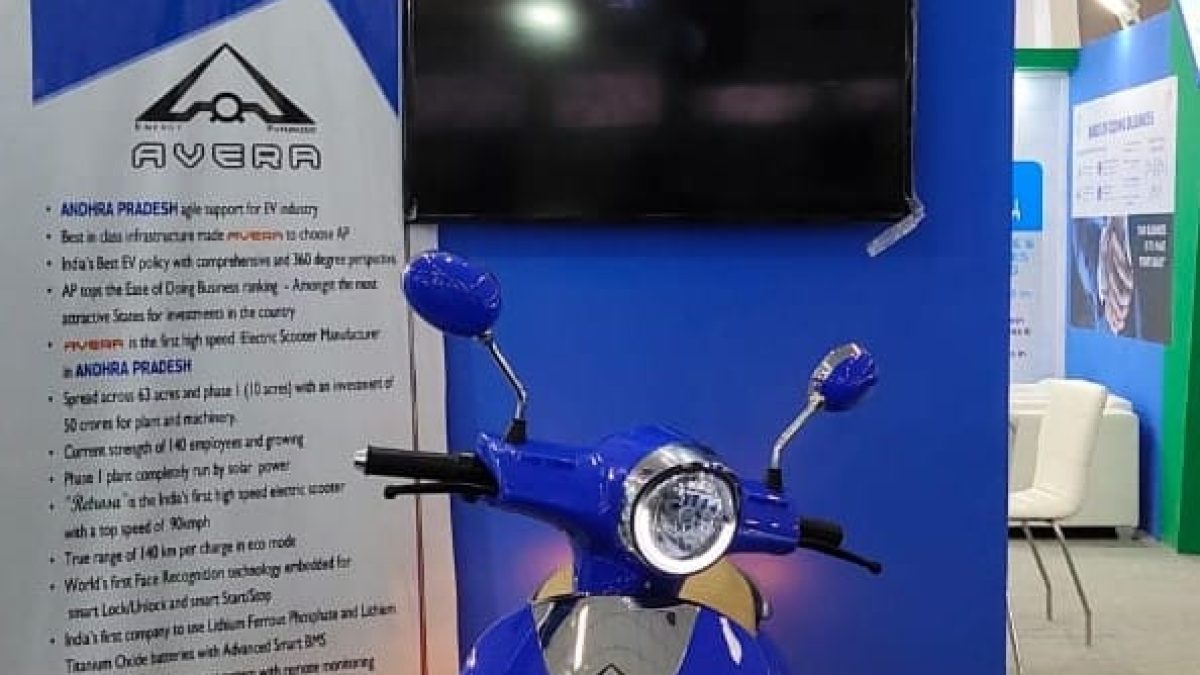
India’s electric two-wheeler boom has been powered, quite literally, by government money. The PM E-DRIVE scheme has underwritten a large share of the industry’s growth since it launched, with a ₹10,900 crore outlay meant to run through March 2028. But for electric two-wheelers specifically, that support window has now closed: the scheme’s registration deadline for e-scooters and electric motorcycles to claim the subsidy was July 31, 2026, and buyers purchasing after that date are on their own, regardless of how much of the ₹10,900 crore budget or the 24,79,120-unit cap remains unused.
The scheme was structured as a race against both time and volume — a “first-come, first-served” design, capping subsidized two-wheelers at just under 25 lakh units and capping eligible vehicle prices at ₹1.5 lakh ex-factory. With that door now shut for new two-wheeler registrations, manufacturers and buyers alike are left asking the same question: what keeps electric scooters affordable once the subsidy tap runs dry?
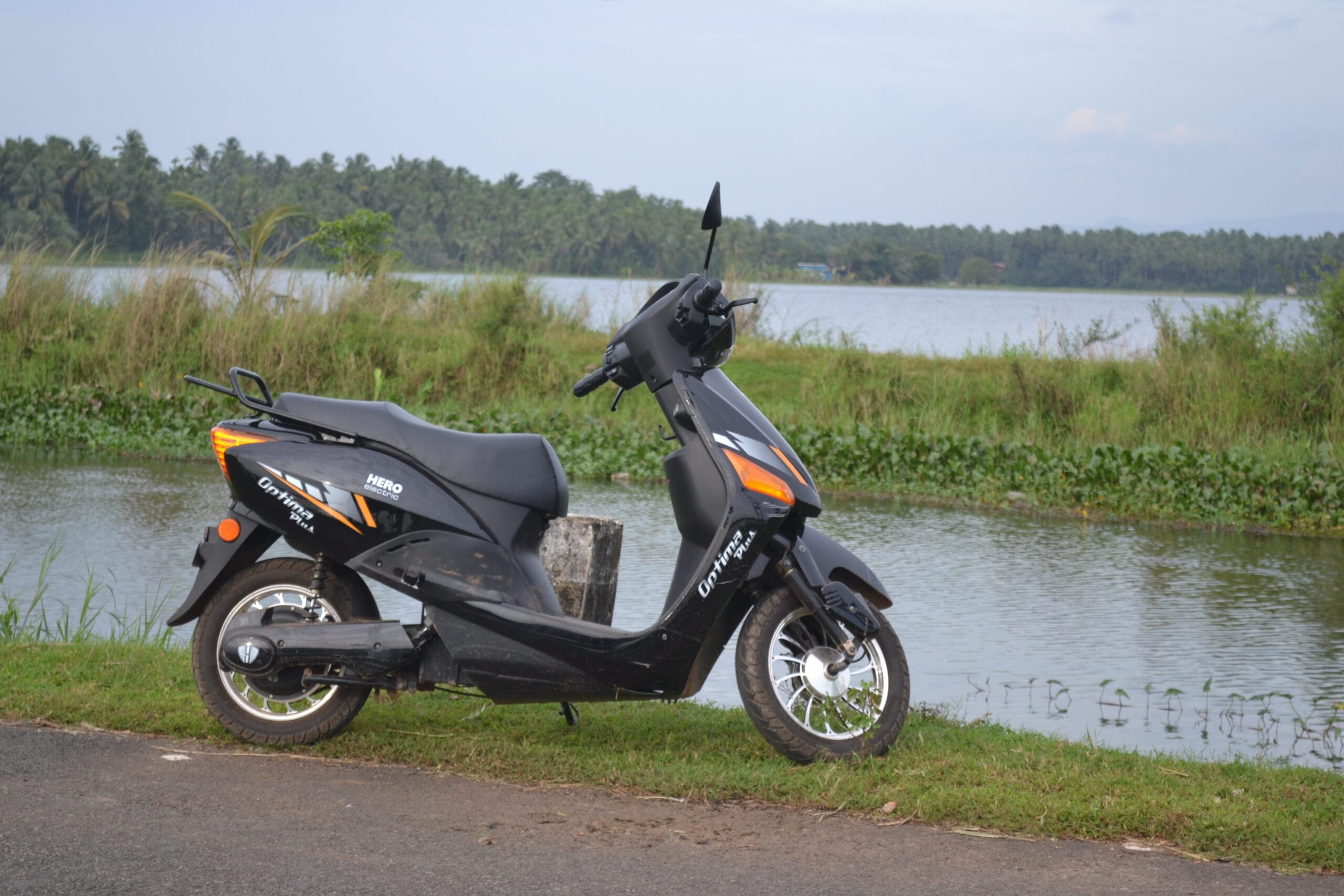
One answer that keeps resurfacing is battery swapping — the idea that instead of buying a scooter with an expensive battery built in, buyers pay less upfront and simply swap depleted batteries for charged ones at kiosk-style stations. On paper, it addresses exactly the affordability gap the subsidy leaves behind. In practice, the picture is more complicated.
Battery Smart is the dominant player in India’s swapping infrastructure today, operating more than 1,600 stations across over 50 cities and having completed over 100 million swaps to date, through a franchise-based, pay-per-swap model priced around ₹1.2 to ₹1.5 per kilometer. Sun Mobility, backed by a joint venture with IndianOil, is chasing a far more ambitious target of 10,000-plus stations by 2030, aimed at two- and three-wheeler commercial fleets. Honda has entered the space too, with its e:Swap network targeting roughly 500 stations across Bengaluru, Delhi, and Mumbai by the end of 2026 — though notably, it works exclusively with Honda’s own Activa e: scooter. Indofast Energy and Gogoro India round out the field, the former present across 23 cities and the latter focused on business-to-business fleet deals in Delhi-NCR.
The catch is cost. Swapping typically works out to roughly ₹110 to ₹150 per 100 km, which is four to five times more expensive than charging a scooter at home, where the equivalent cost is closer to ₹25 to ₹30 per 100 km. That math makes sense for a delivery rider or gig worker racking up 100-plus kilometers a day, where the lower upfront vehicle cost and zero downtime for charging outweigh the higher per-kilometer running cost. It makes far less sense for a private commuter doing 20-30 kilometers a day, who would typically come out ahead simply charging overnight at home.
That’s precisely why swapping, despite its scale, has stayed overwhelmingly a business built for gig workers, delivery fleets, and e-rickshaws rather than the everyday private scooter buyer. The 100-million-swap milestone Battery Smart has crossed is a commercial fleet achievement more than a consumer one — and today, only a handful of retail-facing scooters, namely the Honda Activa e: and the Bounce Infinity E1, actually offer swapping as a mainstream buying option.
That leaves India’s electric two-wheeler industry in an interesting spot as the subsidy era winds down. Battery swapping solves the affordability problem for high-mileage commercial riders, who are arguably the segment least in need of a purchase subsidy in the first place, since their economics already favor electric over petrol. For the private buyer that PM E-DRIVE was largely designed to nudge toward EVs, the exit of subsidy support means manufacturers will have to compete on genuine product economics: battery costs, financing structures, and total cost of ownership over a scooter’s life, without a government top-up smoothing over the sticker price. Whether that pushes prices down through competition, as has already started happening among TVS, Bajaj, and Ather, or whether it slows the pace of adoption, will likely become clear over the next few quarters.