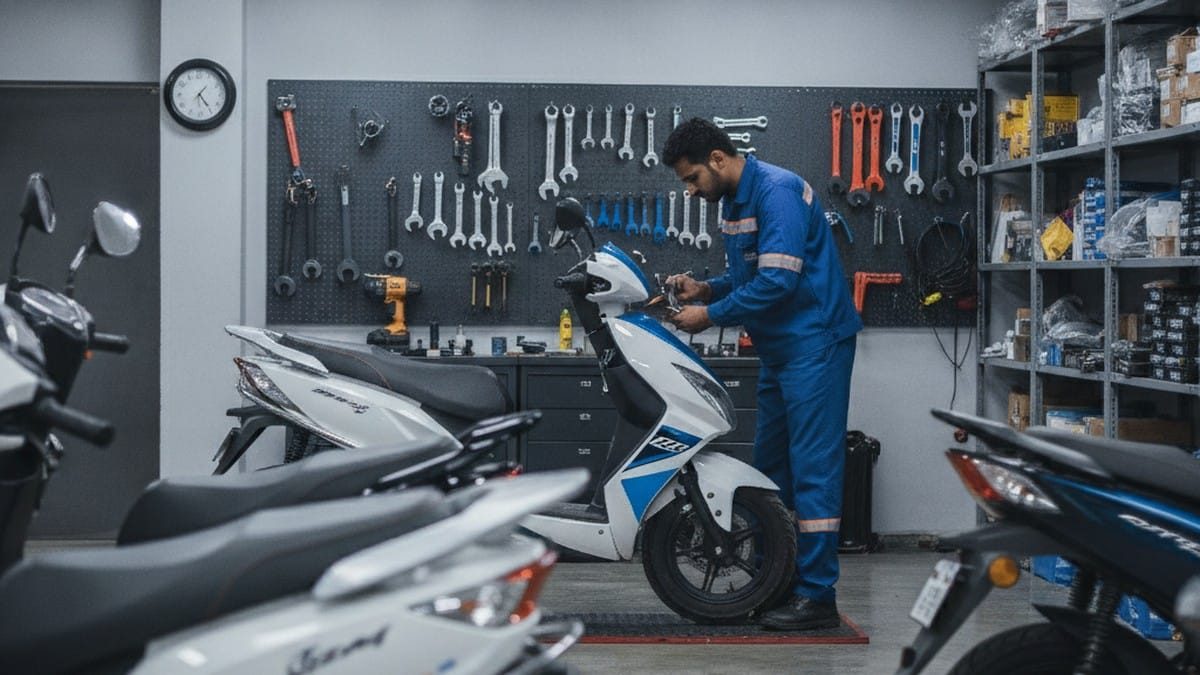
Every week, someone posts a variation of the same frustrated story in an Indian EV owners’ group: bought a scooter with an impressive range figure, loved it for the first three months, then something needed fixing — and that’s where the real story began. Months of WhatsApp chasing, a service center that’s a 40-kilometre detour from home, and a scooter sitting idle while life carries on without it.
The spec sheet told them everything about the battery. It told them nothing about what happens when the scooter needs help.
India’s electric two-wheeler market crossed 10 lakh units in just the first seven months of 2026, growing nearly 47% year on year according to industry data. That’s a lot of new EV buyers — and a lot of them are walking into showrooms asking exactly the wrong questions. Range, top speed, charging time. All valid. But none of them answer the question that will actually shape your daily life with the vehicle: when something goes wrong, how fast can this company fix it?
The Cautionary Tale That Changed the Conversation
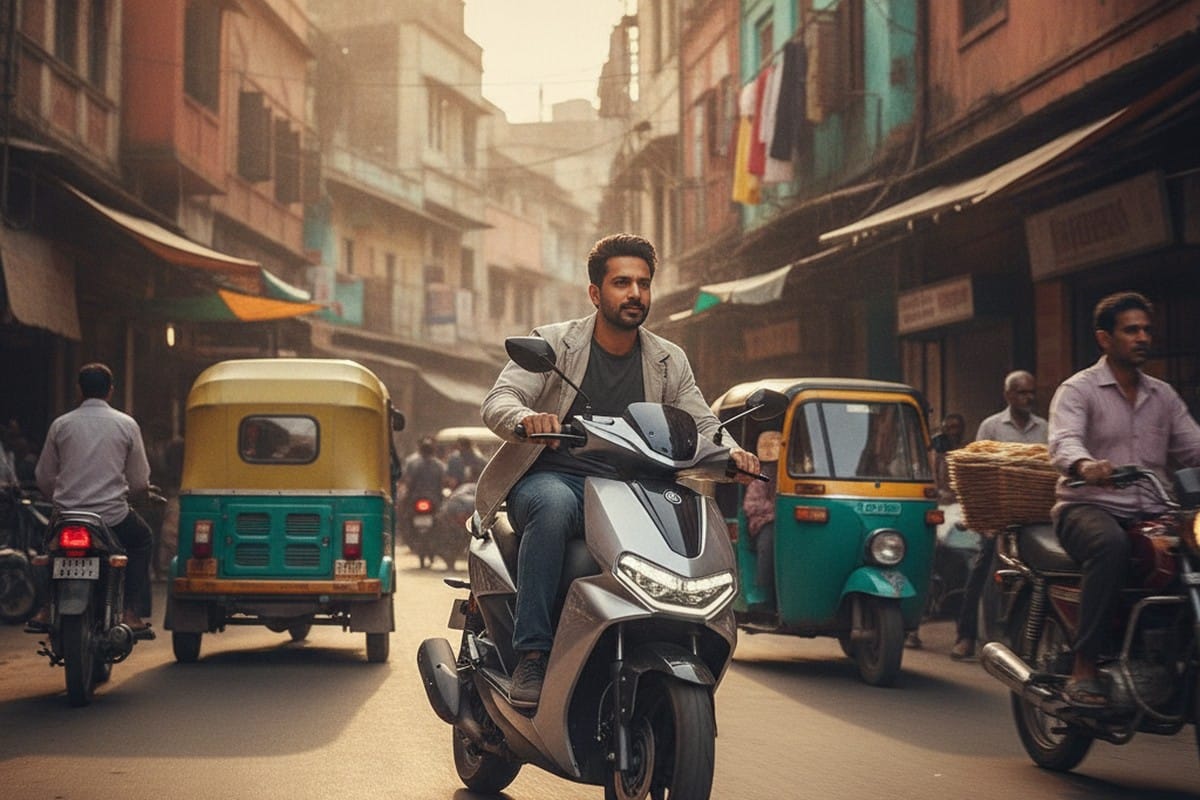
Ola Electric built the largest electric scooter sales machine India had ever seen. At its peak, it commanded over 35% of the market, and its S1 series offered range figures that left the competition looking modest. For a while, it seemed like the company had cracked the formula.
Then the service complaints started. Then they multiplied. India’s consumer forums accumulated over 10,000 complaints against the brand — almost all of them not about the product itself, but about the experience of trying to get it serviced. Wait times stretched from days to weeks. Parts went missing. Customers reported driving scooters to service centers and not seeing them return for months.
The CEO, Bhavish Agarwal, acknowledged the problem plainly: “We do have a service challenge which we are working through that has impacted brand trust.” By the time those words came out, Ola’s monthly sales had fallen to roughly 12,500 units in July 2026 — down from the heights where the brand once sold nearly four times that in the same month. Their market share had collapsed from that 35% peak to below 16%. The company’s stock had shed roughly 82% from its post-listing peak. The scooters hadn’t dramatically changed. The service infrastructure had failed to grow at the same pace as sales — and Indian buyers noticed.
What “Service Network” Actually Means for You
This isn’t just about having a service center in your city. That’s the minimum bar. The real questions are more granular: How far is the nearest authorized service center from where you actually live — not where you work or pass through? If your scooter breaks down in monsoon season (and something always will, eventually), how many days are you realistically without transport? Does the brand have a doorstep pickup service, or do you need to somehow haul a non-functional electric vehicle across town?
When you call the service helpline, does someone answer — and can they give you a realistic timeline? Are replacement parts available in India, or are they imported, which can mean a three-week wait that stretches into six? These aren’t hypothetical concerns. They’re the actual experiences of hundreds of thousands of EV scooter owners in India right now. And they’re largely invisible on any comparison chart.
How the Major Brands Stack Up
TVS has quietly become the dominant force in Indian electric scooter sales in 2026. Their iQube sold nearly 50,000 units in July alone, and the brand crossed 3 lakh electric two-wheeler sales in just the first seven months of the year. A significant part of that success is infrastructure — TVS has one of the densest dealer and service networks in the country, built over decades of conventional two-wheeler sales. When you buy an iQube, you’re also buying into an ecosystem where a service appointment in a tier-2 city is entirely realistic.
Bajaj Auto’s Chetak follows a similar logic. With a market presence that stretches deep into smaller towns and a service backbone inherited from years of running Pulsar and Platina service networks, Bajaj owners typically report reassuringly short turnaround times. The Chetak’s range figures aren’t the most impressive in the segment, but the confidence that comes with knowing the company can actually fix the vehicle counts for a great deal.
Ather Energy took a different approach — building its own branded service network rather than relying on legacy dealerships. This delivers higher quality consistency where it exists, with their Experience Centers generally well-reviewed. The trade-off is geographic coverage: Ather’s footprint is strongest in metro and tier-1 cities, and buyers in smaller markets may find the nearest center genuinely inconvenient.
Hero MotoCorp’s Vida brand carries a different kind of advantage. Hero’s dealer network is one of the widest in the country for any motorized vehicle. Even if Vida-specific service expertise is still maturing, the sheer proximity of Hero service points to most Indian households gives the brand a logistical edge that newer entrants can’t easily replicate.
The Pre-Purchase Checklist Nobody Talks About
Before you finalize any electric scooter purchase, spend 20 minutes doing something no dealership will suggest. Search the brand’s name along with “service complaint” and the city you live in. Read through the results — not to find horror stories, but to calibrate the frequency and the severity. One bad review in two years tells you one thing; fifty reviews saying the same thing in the past three months tells you something quite different.
Then call the nearest service center, not the dealership. Ask a specific question: what’s the typical wait time for a routine service? How quickly can they get parts for your specific model? The answers will tell you more about your ownership experience than any spec sheet ever could. Also check: is there a doorstep pickup service in your area? Several brands now offer this, and for urban buyers it transforms the service experience from a logistical headache into something close to effortless.
Where Elektree India Stands Apart
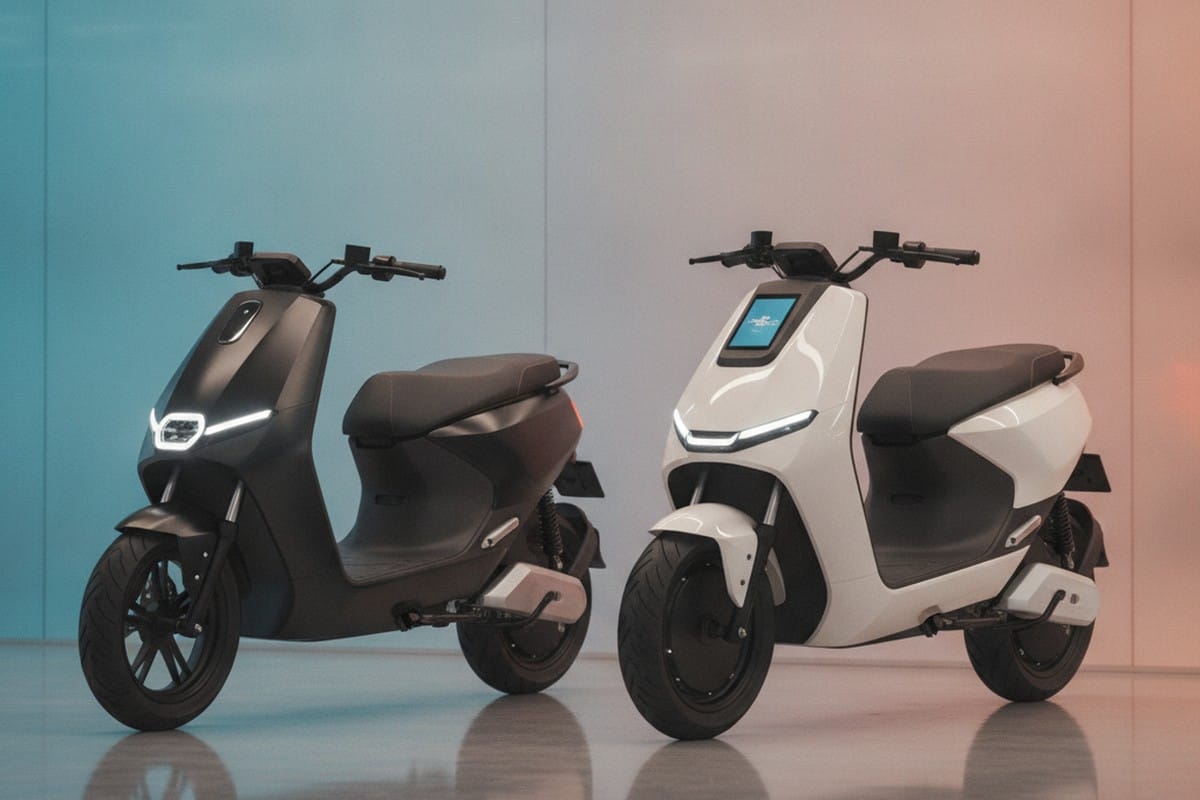
Amid the turbulence that’s shaken confidence in several larger brands, Elektree India has been building something that doesn’t grab headlines but matters enormously to actual owners: a verified, certified, ground-up approach to both product quality and customer support.
With 19+ ICAT-certified models, Elektree operates with the kind of regulatory rigour that ensures every scooter rolling out meets established safety and performance standards — not a token certification, but a genuine quality baseline across the lineup. Their vehicles range from practical everyday scooters starting around ₹49,499 all the way to the Fantom EV motorcycle, offering a range between 50 and 250 km across different models. For buyers in urban areas or those who need a vehicle purely for city and neighbourhood use, Elektree’s models come with a significant practical advantage: no driving licence or RTO registration required for several variants, cutting through one of the most friction-heavy aspects of vehicle ownership in India.
The operating cost picture is genuinely compelling. Charging runs to just ₹5–10 per full charge, and a 3-year warranty comes standard across the range — a meaningful commitment from a company that currently operates across 54+ dealers nationwide and serves over 6,800 customers. That growing dealer footprint means post-sale support is a real, present reality rather than a promise on a brochure.
What distinguishes Elektree in a crowded market is the philosophy behind the product: a focus on the customer relationship that begins after the sale, not just before it. Every one of their 19+ ICAT-certified models has gone through rigorous testing and approval — the kind of standard that weeds out corner-cutting and ensures that what you’re riding is built to last and backed by a company that takes its warranty obligations seriously. In a market where the post-purchase experience has become as important as the vehicle itself, that kind of institutional credibility matters.
In a segment that’s learning — sometimes painfully — that the cheapest or the flashiest option isn’t always the wisest one, Elektree’s combination of ICAT certification, warranty backing, affordable running costs, and a growing service network represents exactly the kind of ownership confidence that 2026’s more informed Indian EV buyer is beginning to demand.
The Takeaway
India’s electric scooter market is maturing fast — and the buyers who are getting the most out of it are the ones who’ve moved beyond the spec-sheet comparison. Range matters. Price matters. But the question that determines whether you’ll look back on your purchase with satisfaction or regret is simpler than either: can the people who sold this to you actually support it?
Do your homework on the service side. Ask about the network before you sign anything. And consider brands that treat after-sales infrastructure as a feature, not an afterthought — because in 2026’s Indian EV market, that’s increasingly the quality that separates genuinely good ownership experiences from the ones that end up as cautionary tales in group chats.
Explore Elektree India’s full lineup, check running costs, and find your nearest dealer at elektree.com.