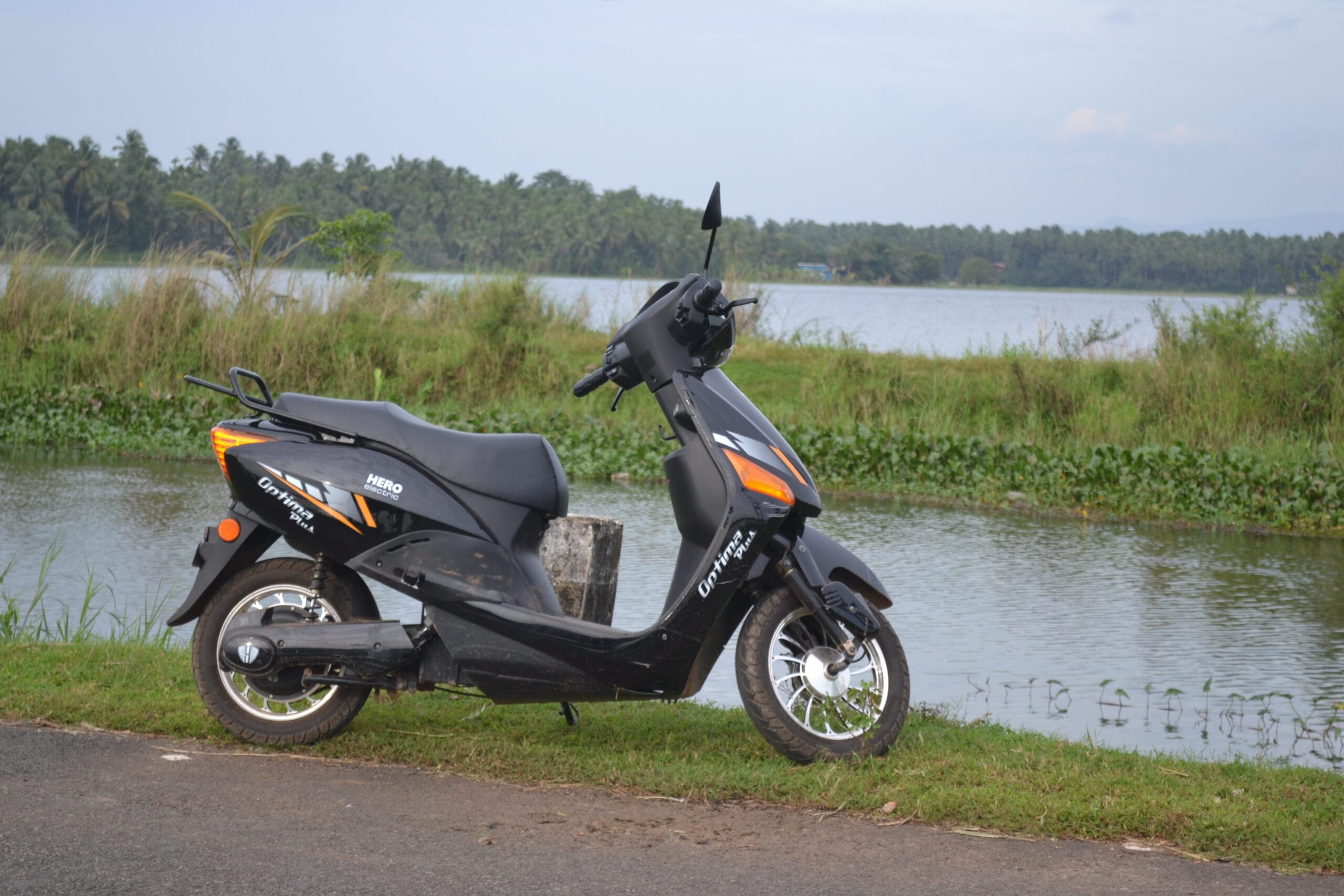
Walk into any electric scooter showroom in India this month and the pitch sounds almost too good to be true: a rupee a kilometre to run, no clutch, no petrol queue, government incentives sweetening the deal. Most of that pitch is accurate. What the salesperson usually skips over — not out of dishonesty, just because it’s not their job to sell you on the boring middle years of ownership — is what happens in year three, four and five. That’s when the questions that actually decide whether an EV was a smart buy start showing up: what does a new battery cost, what will the insurance actually run you, what’s the scooter worth when you want to sell it, and does it survive a proper Indian monsoon. Here’s what the numbers say.
The number that should be on every buyer’s mind: battery replacement cost
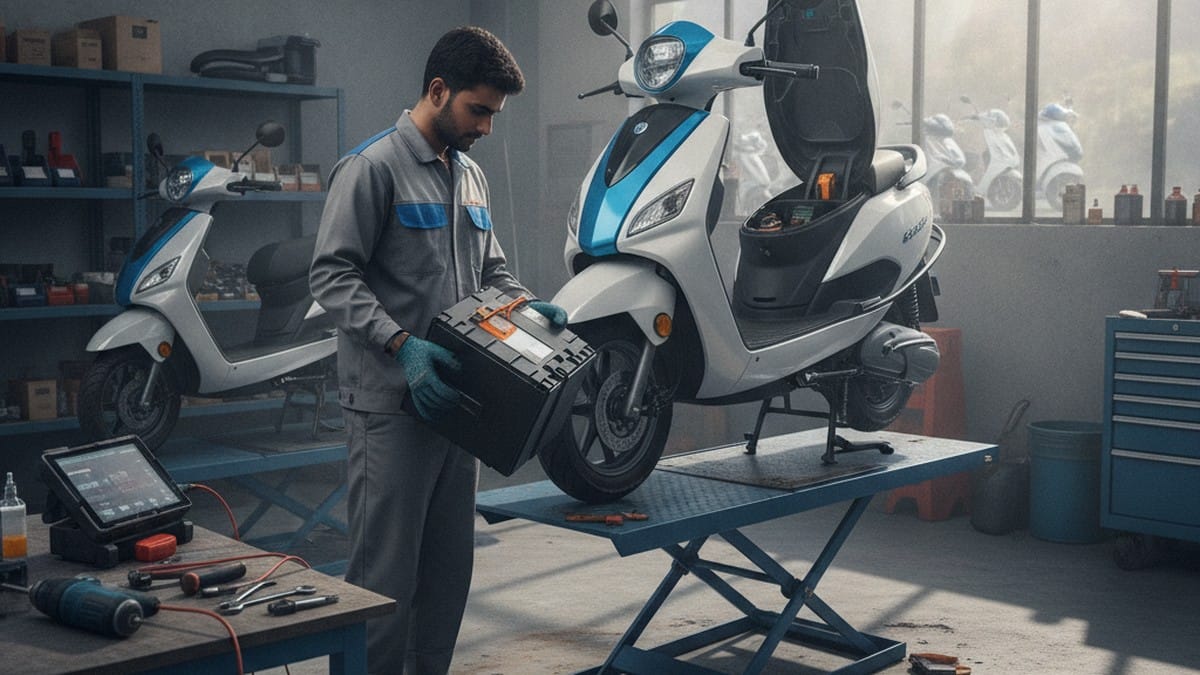
Lithium-ion batteries don’t fail overnight, but they do fade, and eventually most owners face a decision about replacing one — either because a cell has degraded past a useful range or because an accident wrote it off. The prices vary sharply by battery size and brand, and they’re not small. Entry-level packs around 2–2.2 kWh, the kind found in TVS iQube’s base variant or Hero Vida’s VX2 Go, run somewhere in the ₹45,000–50,000 range to replace. Step up to the mid-size packs most mainstream buyers actually ride around with — Ather’s Rizta or 450S at roughly 2.9 kWh, or Bajaj Chetak’s smaller variants — and you’re looking at ₹60,000–65,000. The bigger performance packs push well past ₹75,000, and Ola’s top-end S1 Pro+ with its 5.2 kWh battery can cross ₹1.1–1.2 lakh, which is close to what many of these scooters cost brand new.
The reassuring part is that most riders won’t pay this out of pocket unexpectedly, because manufacturers typically warranty the battery for three years or 50,000 km, whichever comes first — TVS iQube and Bajaj Chetak both follow this pattern, while Ather throws in unlimited mileage alongside its three-year cover. Manufacturers generally claim a real-world battery life of five to eight years or 50,000–80,000 km under normal use, which for most Indian commuters — who aren’t clocking highway distances daily — comfortably outlasts the warranty period. The risk isn’t that your battery dies the day the warranty ends; it’s that if you keep the scooter past that window, or buy one secondhand with an unclear service history, that replacement bill becomes your problem with zero cushion.
Insurance is actually one of the nicer surprises
Here’s a genuinely good-news item that doesn’t get talked about enough. India’s insurance regulator sets third-party premium slabs by motor power for electric two-wheelers, and they land noticeably lower than what petrol scooters pay. A sub-3kW electric scooter — which covers the vast majority of what’s sold in India, from an iQube to a Chetak to an Ather 450 — pays a fixed third-party premium of around ₹457 a year, compared to roughly ₹714 for a similarly sized petrol scooter. Bump up to the 3–7kW bracket and it’s about ₹607; above 7kW, closer to ₹1,109. Comprehensive cover, which adds own-damage protection on top of the mandatory third-party piece, costs more and depends on the scooter’s value and add-ons like zero-depreciation cover, but the baseline legal requirement is cheaper for EVs across the board. It’s a small monthly saving in isolation, but it adds up over years of ownership, and it’s one line item where electric genuinely beats petrol without any asterisks.
Resale value: the conversation nobody has before the purchase
This is where things get less flattering. Electric scooters in India are depreciating faster than most buyers expect. Mainstream models that sold new for ₹1.3–1.5 lakh two years ago are routinely changing hands secondhand for well under a lakh — sometimes considerably under, depending on battery health. That’s a steeper curve than what petrol scooters from established brands typically see, and it comes down to two things: the technology is still moving fast enough that a two-year-old scooter can look genuinely dated next to a new one, and buyers of used EVs are (rightly) nervous about exactly the battery cost problem discussed above.
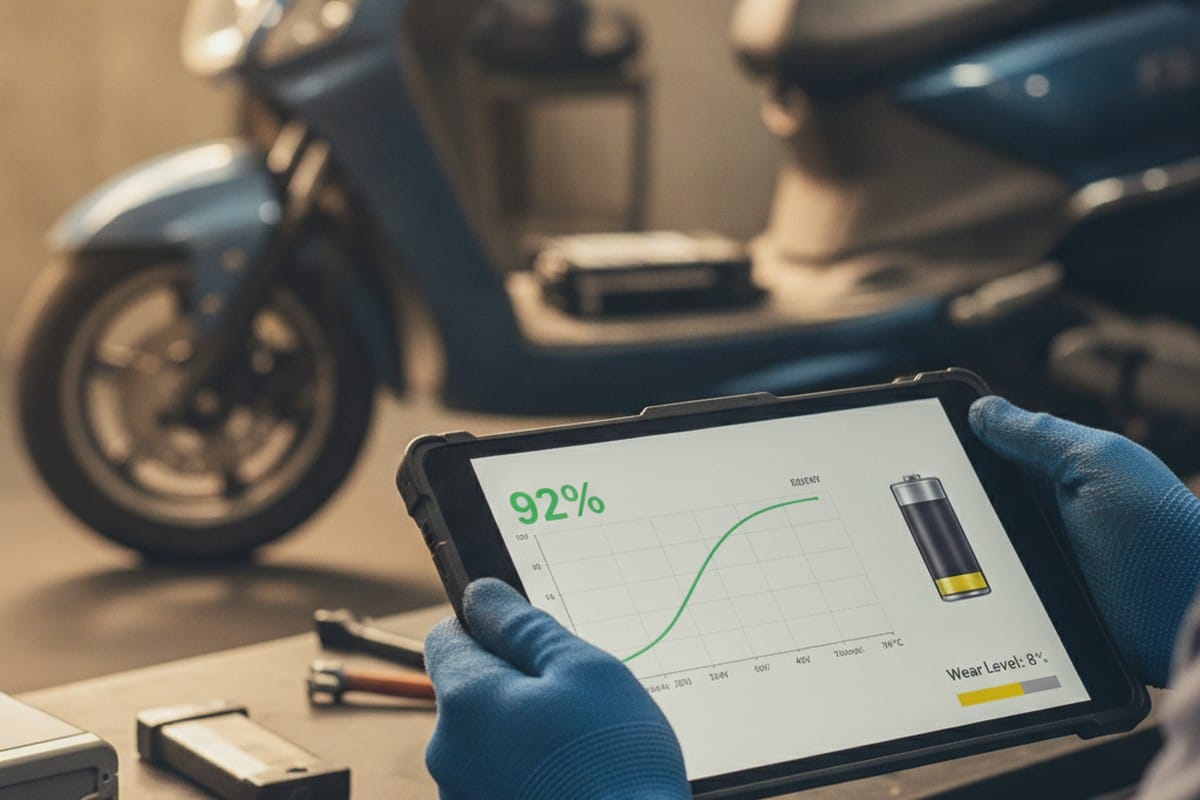
If you’re buying used, the number that matters isn’t the odometer — it’s the battery’s State of Health, usually shown as a percentage in the scooter’s companion app or checkable at a service centre. Anything above 90% is in great shape; 80–90% is normal and expected for a two-to-four-year-old scooter and shouldn’t scare you off; below 70%, you should be negotiating hard or walking away, because a replacement in the ₹45,000–1,15,000 range is likely on the horizon. If you’re the one selling, understanding this curve helps set realistic expectations rather than being surprised by lowball offers — and if you’re buying new, it’s worth accepting that an EV bought today is more of a five-to-seven-year commitment for the economics to fully work in your favour than a two-year flip.
Will it survive a Mumbai monsoon or a Bengaluru flooded underpass?
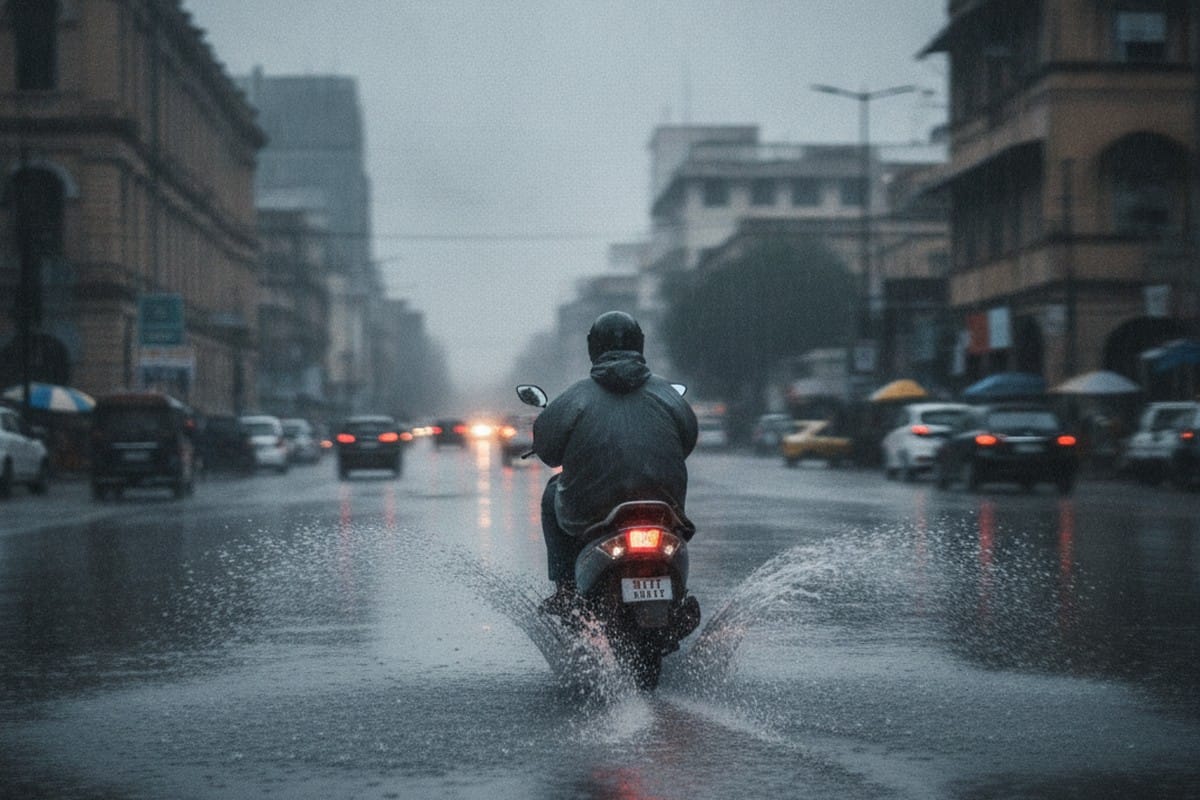
This is the concern that comes up in every buyer WhatsApp group the moment the first pre-monsoon showers hit, and it’s a fair one given how badly Indian streets flood. The regulatory answer is more reassuring than the anxiety suggests: under AIS-156, the safety standard Indian EV two-wheelers must meet, battery packs are required to hit an IPX7 water-ingress rating, meaning they’re built to survive brief submersion, and the surrounding electrical components generally carry IP65 protection against dust and water jets. In plain terms, a certified scooter riding through drizzle, standing water on a normal commute, or a sudden downpour isn’t living dangerously.
Where the sensible caution kicks in is around genuinely heavy rain and deep waterlogging — the kind where the water line creeps up past the footboard. Motors sit anywhere from about 150mm off the ground for hub-mounted designs to around 200mm for mid-drive setups, and prolonged submersion above that line is asking for trouble regardless of what the IP rating says on paper. The other quiet risk is charging in the rain out of habit rather than necessity; it’s designed to be safe thanks to onboard sensors that check the connection before allowing current to flow, but treating it as routine rather than an occasional necessity is inviting moisture where it doesn’t need to be. The practical monsoon routine that actually matters: avoid riding into water deeper than your footboard, dry the scooter down and park it under cover after a wet commute rather than leaving it exposed, and keep the charging port and plug dry before you connect. Do that and the AIS-156 certification does the rest of the work for you.
So, worth it?
None of this changes the basic case for going electric in India — the running costs are still dramatically lower, the maintenance is genuinely simpler with no oil changes or clutch plates to worry about, and the insurance savings are real. What changes is how you should think about the purchase: less like buying a petrol scooter with a different fuel, more like buying a smartphone with wheels, where the battery’s health curve quietly determines most of the ownership economics over the years you actually keep it. Ask about the warranty terms before you ask about the top speed, check battery health before you check the paint job if you’re buying used, and budget mentally for what a replacement pack would cost even if you never end up needing one. Buyers who go in with that mindset tend to come away happy; the ones who get blindsided are usually the ones who only compared showroom prices and skipped everything that happens after.