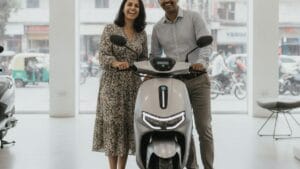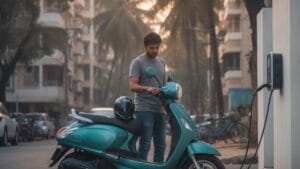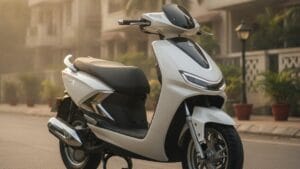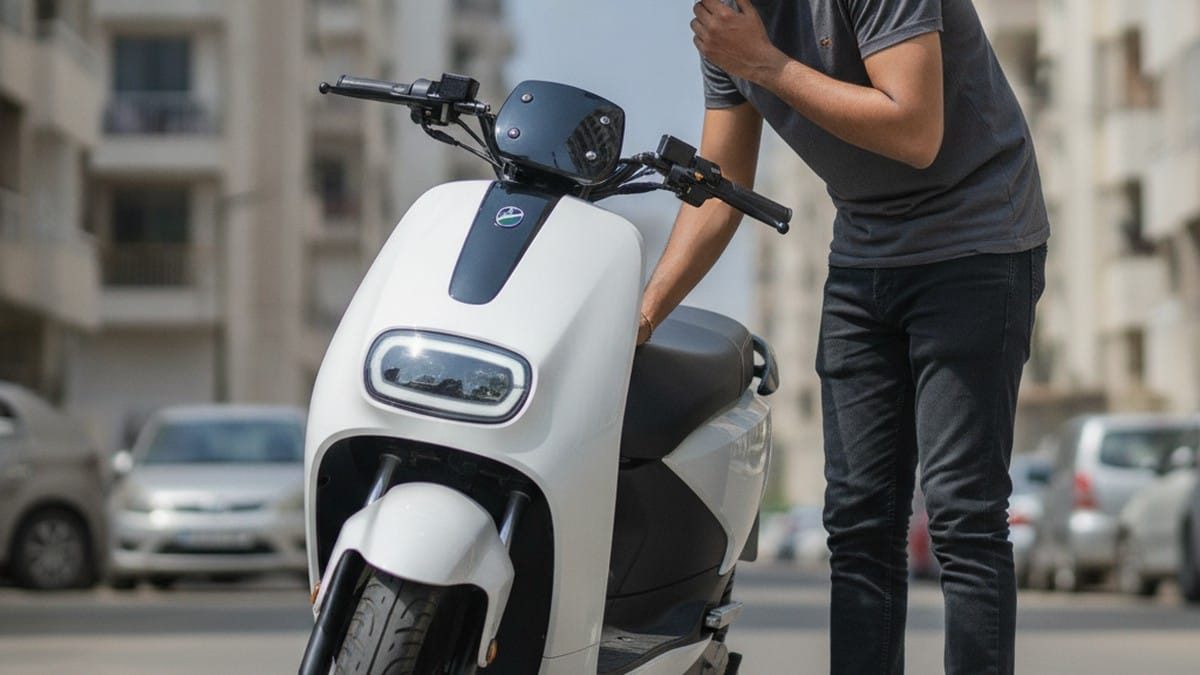
Here’s something almost nobody asks at the showroom: “What will this scooter be worth when I want to sell it?” Everyone’s focused on the ex-showroom price, the EMI, the subsidy. The dealer is focused on closing the deal. And the question of what happens three years from now — when you want to upgrade or switch — quietly goes unanswered.
That’s a problem. Because the resale story for electric scooters in India is genuinely different from what most buyers expect, and knowing it now can save you a painful financial surprise later.
The Numbers: How Much Value Are You Actually Losing?
A typical petrol scooter in India retains roughly 60–70% of its value after three years if it’s well maintained. That’s the benchmark most Indian buyers carry in their heads from past experience buying or selling second-hand bikes.
Electric scooters from organised, established brands depreciate somewhat faster. You’re typically looking at retaining somewhere in the 45–55% range by year three. An ₹90,000 electric scooter from a credible brand may fetch ₹40,000–50,000 on the used market after three years.
For lesser-known, non-certified, or recently-entered brands, the picture gets considerably bleaker — depreciation can run to 65–75% over the same period. That means retaining barely 25–30 paise on the original rupee. The gap between a well-positioned brand and a poorly-positioned one isn’t a rounding error; it can be ₹20,000–25,000 or more at resale. If the brand has also scaled back its India presence since you bought the scooter, finding any buyer willing to pay a fair number becomes difficult.
Why the Battery Dominates Every Resale Conversation
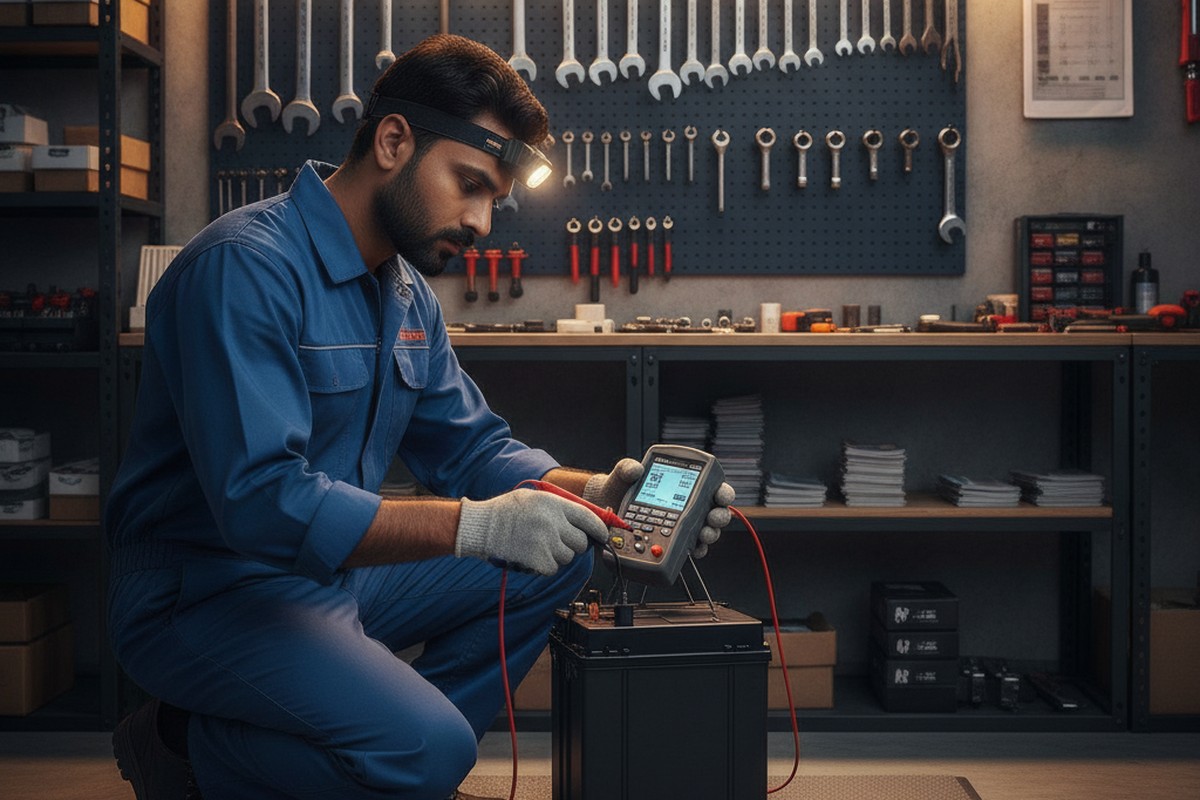
The battery sits at the heart of every EV resale calculation. Estimates across the industry place the battery pack at 35–45% of the total cost of an electric scooter. It’s the single most expensive component and the primary source of anxiety for anyone considering a used EV, because it degrades over time and cannot be reliably assessed by eye.
A survey of 500+ used-EV buyers found that 73% said they would only seriously consider a second-hand electric scooter if it had at least three years of battery warranty remaining — or a certified State of Health (SoH) report. Think about what that means if you bought a scooter with a two-year battery warranty and plan to sell after two years: the warranty has just expired, and you’re handing a buyer an asset where the most expensive component carries zero remaining coverage. That’s a powerful reason for a buyer to negotiate hard, or walk away to the next listing.
Charging habits compound this. Frequent fast charging, leaving the battery at full charge for extended periods, and riding regularly in extreme heat all accelerate degradation. A buyer who can’t verify how a used battery was treated is being asked to accept the risk on faith — and most won’t pay full market value for that uncertainty.
There is also the “orphan vehicle” problem that doesn’t get discussed enough. A number of smaller EV startups that sold aggressively during India’s early EV boom have since wound down, reduced service presence, or stopped stocking spare parts. The owners of those scooters are finding it hard to get service, harder to get parts, and nearly impossible to find a buyer willing to pay a reasonable price. A petrol scooter from a defunct brand can still be repaired with generic aftermarket parts. An electric scooter with a dead battery management system and no manufacturer support is a very different situation.
The Five Things That Actually Determine What Your EV Is Worth Used
Battery health sits at the top of every serious buyer’s checklist — not what the seller claims, but what a diagnostic readout or SoH assessment shows. Immediately below that is remaining warranty: a transferable battery warranty with meaningful time left is one of the most valuable things a used-EV seller can offer, and it directly justifies a higher asking price.
Third is brand service network. Buyers want to know spare parts exist and that service can be done within reasonable distance. Fourth is regulatory certification: ICAT certification (from the International Centre for Automotive Technology, the government’s authorised testing body) means the vehicle has been tested for safety, battery integrity, braking, and electromagnetic compatibility. A certified scooter has documentation; an uncertified one doesn’t, and that gap translates directly into money at resale. Fifth is riding and charging history — 15,000 km of urban office commuting is a very different asset from the same mileage on a delivery bike fast-charged multiple times a day in all weather.
What This Means When You’re Buying New Today
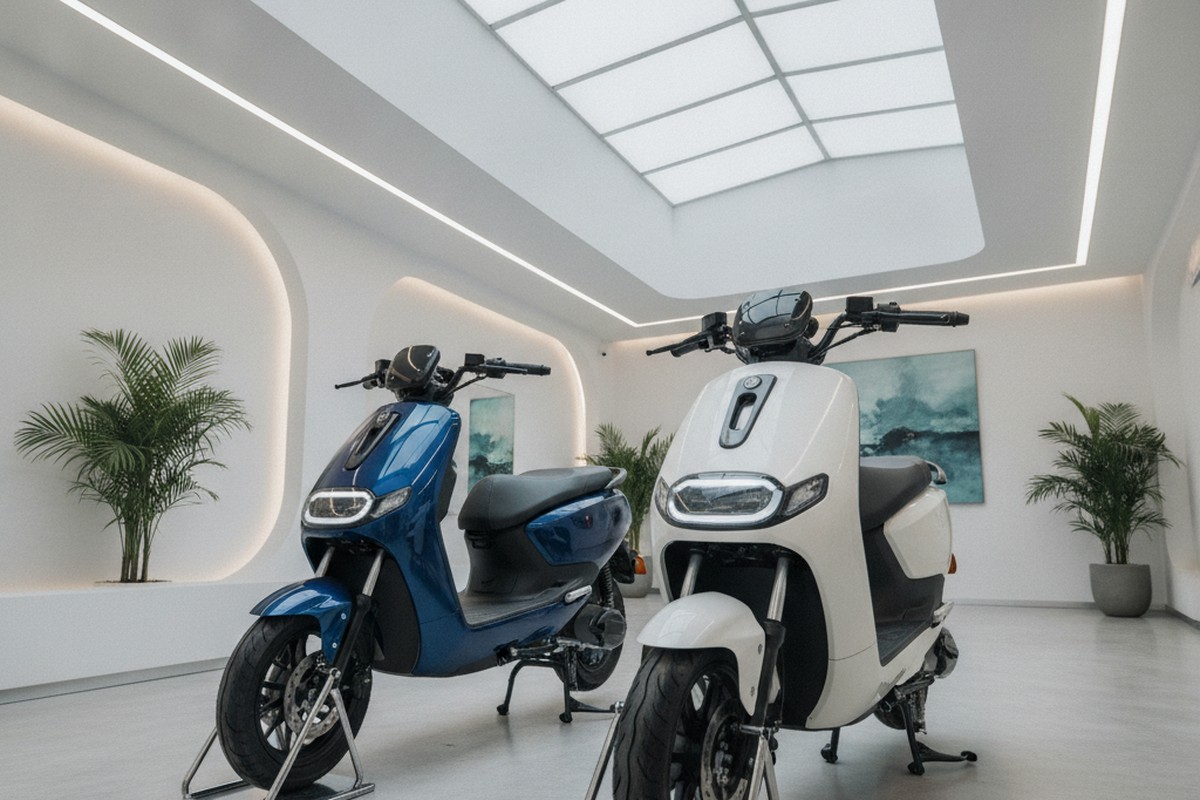
The resale picture is a strong argument for being deliberate about which brand you commit to — not just which model looks good in the showroom. A scooter from a brand with government-certified products, a real service network, and a warranty that actually gets honoured is going to do considerably better on the used market than one from a newer entrant with an aggressive price and big promises on the spec sheet.
The arithmetic is worth doing. If a well-established brand’s scooter costs ₹8,000–10,000 more at purchase but retains ₹20,000 more in resale value after three years, you’ve come out ahead on total cost of ownership — before even accounting for the peace of mind that comes from reliable service during those three years. Cheaper at purchase is not always cheaper in the end.
How Elektree India Positions Itself on This Question
Elektree India’s scooters are built around specifications that the resale-value conversation rewards in several specific ways.
The Zenith, Elektree’s flagship scooter at ₹90,164, is ICAT-certified — meaning it has cleared the government’s structured testing for safety, battery integrity, performance, and compliance. When you eventually want to sell, the buyer can verify certification independently, and an RTO transfer carries no complications from a compliance standpoint. That’s documentation a buyer can act on. The battery warranty on the Zenith is 3 years or 50,000 km on the lithium-ion pack. For someone planning to own for two to three years and then upgrade, this means the warranty is still transferable and meaningful at the point of sale — directly addressing the biggest anxiety that used-EV buyers carry.
Elektree’s service presence spans 54+ dealer locations across India. A used Elektree is not an orphan vehicle waiting to happen — there’s an infrastructure in place to service, repair, and source parts for it. That serviceability is something a future buyer will verify before they negotiate a price, and it’s a genuine differentiator compared to brands that sold aggressively and then reduced their service presence.
The RV 80 Sportz at ₹94,363 offers a sportier profile with the same core reliability credentials. For buyers looking at the entry level, the Elektree Wheels at ₹82,871 offers a “no licence required” option for practical urban use, though its 50–70 km range positions it as a city runabout rather than a primary long-distance vehicle.
The Question to Ask Before You Sign Anything
The electric scooter market in India is maturing quickly, and so are the buyers in the used-EV space. Battery diagnostics are becoming standard in used-EV transactions. Brands with certified vehicles, transferable warranties, and working dealer networks are going to hold their value. Brands without those credentials are going to see their scooters sold at steep discounts, or left unsold.
Before you sign anything, ask the dealer one straightforward question: “When I want to sell this in three years, what will I be able to tell the buyer?” If the answer includes ICAT-certified, battery warranty still valid, and serviced at authorised centres — that’s a scooter worth buying. If the answer is vague, that vagueness has a rupee value, and you’ll discover it at resale.
Visit elektree.com to explore the Zenith, the RV 80 Sportz, and the full Elektree range, and decide for yourself which model delivers the combination of performance, ownership economics, and long-term resale positioning that makes sense for your situation.